In Central Florida, air conditioning isn’t exactly optional. Between long stretches of heat, high humidity, and a cooling season that lasts much longer than it does in many parts of the country, keeping a home comfortable can represent a significant portion of its energy use.
But a high electric bill doesn’t always mean you simply have to accept higher costs because you live in Florida. Sometimes, small maintenance issues, everyday habits, or overlooked areas of the home can make an HVAC system work harder than necessary.
If your Orlando home seems unusually expensive to cool in 2026, here are a few places worth looking before assuming the solution requires a major renovation.
Start With the System Doing Most of the Work
Your HVAC system is one of the first places to look when cooling costs start creeping up.
A dirty air filter, blocked vent, clogged drain line, or system that hasn’t been serviced regularly can affect how efficiently your home cools. Even something as simple as replacing filters on an appropriate schedule can help your system operate as intended.
Older systems may also become less efficient over time. That doesn’t automatically mean they need to be replaced, but regular professional maintenance can help identify problems before they become larger—and more expensive—repairs.
Pay Attention to What Your Thermostat Is Asking For
In Orlando, the difference between keeping your home comfortable and asking your AC to work constantly can sometimes come down to only a few degrees.
A programmable or smart thermostat can help homeowners adjust temperatures based on when they’re home, asleep, or away instead of cooling an empty house at the same setting all day.
The goal isn’t to make your home uncomfortable. It’s to avoid making your HVAC system work harder when no one is benefiting from it.
Florida Sunshine Can Heat More Than Your Pool
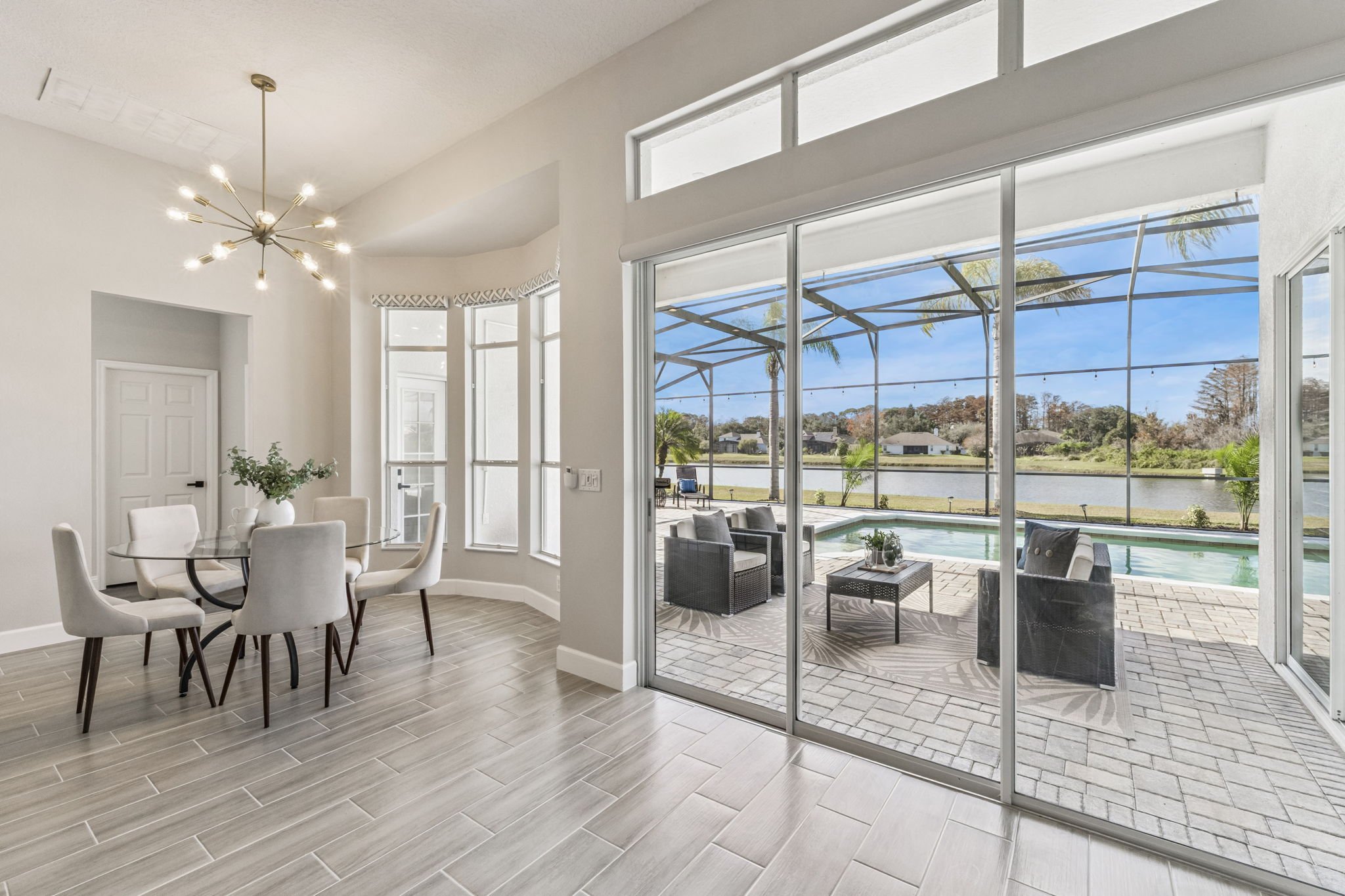
Natural light is one of the features buyers often love in a home—but all that Florida sunshine can also add heat.
Windows that receive strong afternoon sun can make certain rooms noticeably warmer, causing the AC to work harder to maintain the same indoor temperature.
Blinds, curtains, shades, and other window treatments can help reduce some of that heat gain without requiring you to replace your windows.
And if you’re house hunting, pay attention to how a home’s orientation and window placement affect the way different rooms feel throughout the day. Energy efficiency isn’t always something you can see in a listing photo.
Don’t Let the Cool Air Escape
Small gaps around exterior doors and windows may not look significant, but conditioned air escaping from the home means your system has to keep replacing it.
Check weatherstripping around doors, seals around windows, and other areas where outside air may be entering.
These aren’t glamorous home improvements, but relatively small maintenance projects can sometimes make a noticeable difference in how comfortable a home feels.
Ceiling Fans Help—When You Use Them Correctly
Ceiling fans don’t actually lower the temperature of a room. They move air, which can make the people in the room feel cooler.
That means there’s little benefit to leaving fans running all day in empty rooms.
Instead, use them while you’re in the room to stay comfortable without relying entirely on a lower thermostat setting. In a climate like Central Florida’s, that combination can help take some pressure off the AC.
Look Beyond the Air Conditioner
Cooling isn’t the only thing contributing to your electric bill.
Pool pumps, water heaters, older appliances, lighting, and electronics can all contribute to household energy use. If your bill suddenly changes, comparing it with previous months can help you determine whether your AC is actually responsible or whether something else in the home may have changed.
This is also why energy efficiency should be considered as part of the whole house, rather than focusing on one appliance.
Know When a Bigger Upgrade Might Make Sense
Not every homeowner needs new windows, additional insulation, a new HVAC system, or major energy-efficient upgrades.
But if you’re already planning to replace something that’s nearing the end of its useful life, energy efficiency can be one factor worth considering when comparing your options.
The same applies when buying a home. Asking about the age and maintenance history of major systems can help you better understand not only potential replacement costs, but also what the home may cost to operate.
The Bottom Line
Living in Orlando means air conditioning will always be an important part of keeping your home comfortable. But that doesn’t mean every high cooling bill is unavoidable.
Regular HVAC maintenance, thoughtful thermostat use, managing Florida’s intense sunlight, checking for air leaks, and understanding where your home uses energy can all help you identify opportunities to improve efficiency.
Sometimes, the best way to spend less on your home isn’t a major renovation. It’s simply making sure the home you already have is working as efficiently as it can.